
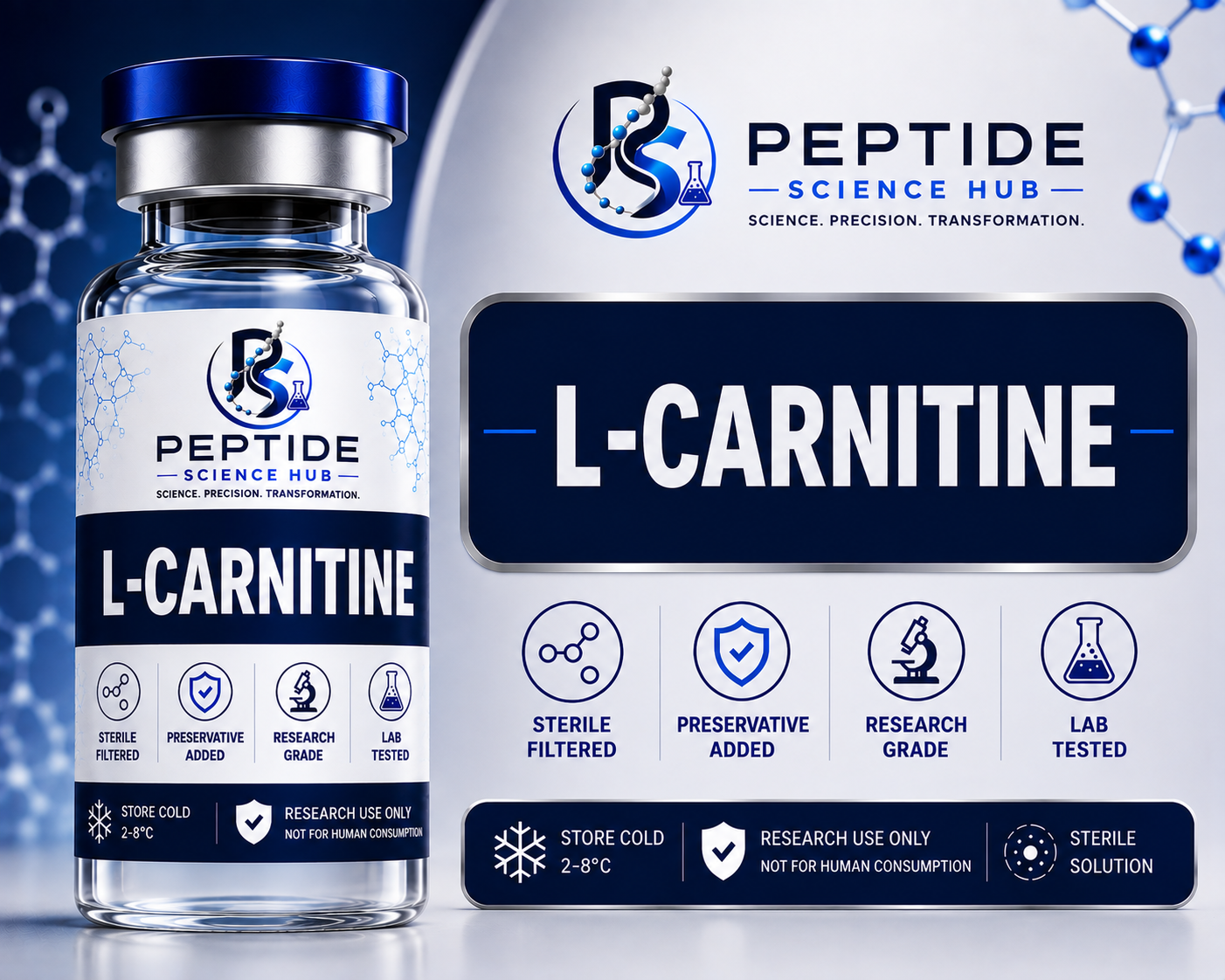
L-Carnitine is a naturally occurring amino acid derivative. The body synthesizes it from lysine and methionine. This process happens in the brain, kidneys, and liver. Red meat, fish, and dairy products also provide it. Above all, L-Carnitine plays a critical role in energy production.
How L-Carnitine Works
This compound transports long-chain fatty acids into mitochondria. Consequently, it supports fat burning and cellular metabolism. Without adequate L-Carnitine, fatty acid oxidation slows down. Therefore, cells rely more on glucose for energy. This shift can reduce metabolic flexibility.
Exercise Performance and Recovery
First, L-Carnitine enhances athletic endurance. It preserves muscle glycogen during intense exercise. Moreover, it reduces lactic acid accumulation. As a result, athletes experience less fatigue and faster recovery. Furthermore, research shows improved blood flow to working muscles. For example, one study found that L-Carnitine supplementation reduced muscle soreness after training.
Heart Health Benefits
Second, L-Carnitine supports cardiovascular function. The heart depends heavily on fatty acid oxidation for energy. Therefore, adequate L-Carnitine levels promote healthy heart contraction. In addition, it helps lower blood pressure and total cholesterol. It also reduces triglyceride levels. Meanwhile, its anti-inflammatory properties may protect blood vessel walls.
Antioxidant and Anti-Inflammatory Actions
Third, L-Carnitine exhibits powerful antioxidant properties. It suppresses inflammatory cytokines like TNF-α and IL-6. Similarly, it upregulates endogenous antioxidant enzymes. Consequently, it reduces oxidative stress and cellular damage. These mechanisms may benefit neurodegenerative conditions and diabetes.
Who Should Supplement?
Healthy individuals typically produce enough L-Carnitine. However, certain groups may benefit from supplementation. Vegetarians and vegans often have lower levels. Likewise, older adults may experience reduced synthesis. Moreover, people with chronic conditions like prediabetes or heart disease may also benefit. For instance, studies show L-Carnitine improves symptoms of PCOS.
Safety and Dosage
Doses up to 2,000 mg daily are generally safe. Nevertheless, some users experience mild side effects. These include nausea, stomach pain, or a fishy body odor. Therefore, start with a lower dose to assess tolerance. Always consult a healthcare practitioner before starting any new supplement. For more on amino acid metabolism, review our Amino Acid Guide. Externally, refer to the NIH MeSH database for Carnitine and the PubMed research repository for peer-reviewed literature.
Conclusion
L-Carnitine offers multiple health benefits. It supports metabolism, heart function, and exercise recovery. However, research continues to evolve. Ultimately, a balanced diet and targeted supplementation may optimize outcomes.
Be the first to review “L-Carnitine”
Related products
Uncategorized
Peptides Collection
Peptides Collection
Uncategorized
Peptides Collection
Peptides Collection
Peptides Collection

Uncategorized
Reviews
There are no reviews yet.