
This synthetic peptide is a 17-amino acid fragment derived from Thymosin Beta-4 (Tβ4), a naturally occurring protein involved in cell migration and tissue repair. Unlike the full 43-amino acid Tβ4 molecule, this smaller fragment is designed for enhanced systemic distribution. Its chemical formula is C38H68N10O14 with a molecular weight of 889 g/mol and CAS number 885340-08-9. Researchers study this compound primarily for its potential regenerative and anti-inflammatory properties.
[Image Placeholder: Comparison diagram of full Thymosin Beta-4 protein versus TB-500 fragment]
Alt text: TB-500 fragment compared to full Thymosin Beta-4 protein showing size difference
Mechanism of Action
The peptide’s primary mechanism involves regulating actin, a structural protein essential for cell movement. By binding to G-actin, the compound controls actin polymerization and promotes cell migration to injury sites. Consequently, it facilitates the repair of muscles, tendons, ligaments, and skin. Additionally, it promotes angiogenesis—the formation of new blood vessels—which is critical for delivering oxygen and nutrients to healing tissues. Furthermore, the peptide modulates the NF-κB pathway to reduce systemic inflammation.
Research Applications
Preclinical studies demonstrate therapeutic benefits in various experimental models. This research compound has shown efficacy in wound healing, cardiac protection, and muscle repair across multiple species. Studies utilizing myocardial infarction models have demonstrated reduced infarct size and improved cardiac function. Additionally, the peptide shows potential in musculoskeletal injury recovery, including tendonitis, ligament sprains, and muscle tears. Some researchers also study its neuroprotective effects in models of neurological injury.
[Image Placeholder: Chart showing wound healing efficacy in animal models]
Alt text: TB-500 wound closure rates compared to control groups in preclinical studies
Clinical Evidence and Limitations
Despite promising animal data, human clinical evidence remains notably limited. Most peer-reviewed studies (67%) use preclinical animal models. No published Phase 1 or Phase 2 human safety studies specifically examine the 17-amino acid fragment. Consequently, the FDA has not approved this compound for any medical use. As of 2026, it remains classified as an FDA 503A Category 2 bulk drug substance.
Safety and Regulatory Considerations
Common side effects reported in observational studies include nausea (15% of users) and dizziness (10%), though most adverse events are transient. However, unregulated products sold online pose significant risks, including contamination, inaccurate dosing, and misidentified substances. Furthermore, this peptide appears on the WADA Prohibited List, making it banned for competitive athletes at all times. For more on peptide safety, review our Peptide Safety Guide. Externally, refer to the FDA guidelines on investigational drugs and the PubMed research repository for peer-reviewed literature.
[Image Placeholder: Infographic of safety profile and regulatory status]
Alt text: TB-500 safety considerations including side effects and WADA prohibited status
Combination Therapy
Researchers often combine this peptide with other compounds for synergistic effects. The “Wolverine Stack” pairs it with BPC-157 for comprehensive repair support. Meanwhile, the “Glow Stack” adds GHK-Cu to enhance tissue remodeling. These combinations leverage complementary mechanisms: this agent offers broad systemic effects while BPC-157 provides more localized repair support.
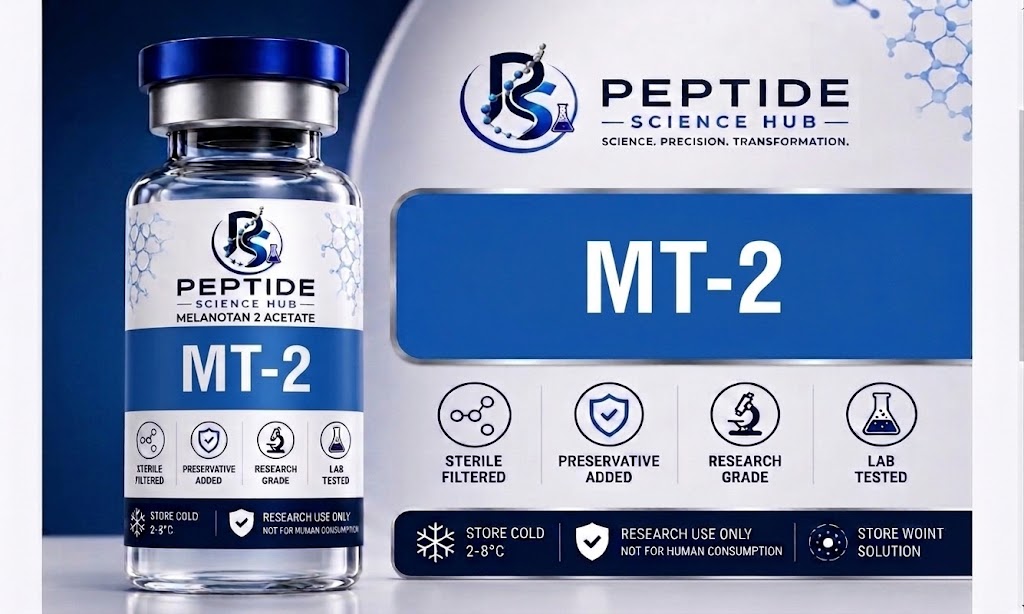
| MT-2 ( Melanotan 2 Acetate ) | 10mg |
|---|
Be the first to review “MT-2 ( Melanotan 2 Acetate )”
Related products
Cognitive Peptides
Aesthetic
Metabolic Modulators
Metabolic Modulators
Peptides Collection
Uncategorized
Metabolic Modulators
Cognitive Peptides
Reviews
There are no reviews yet.