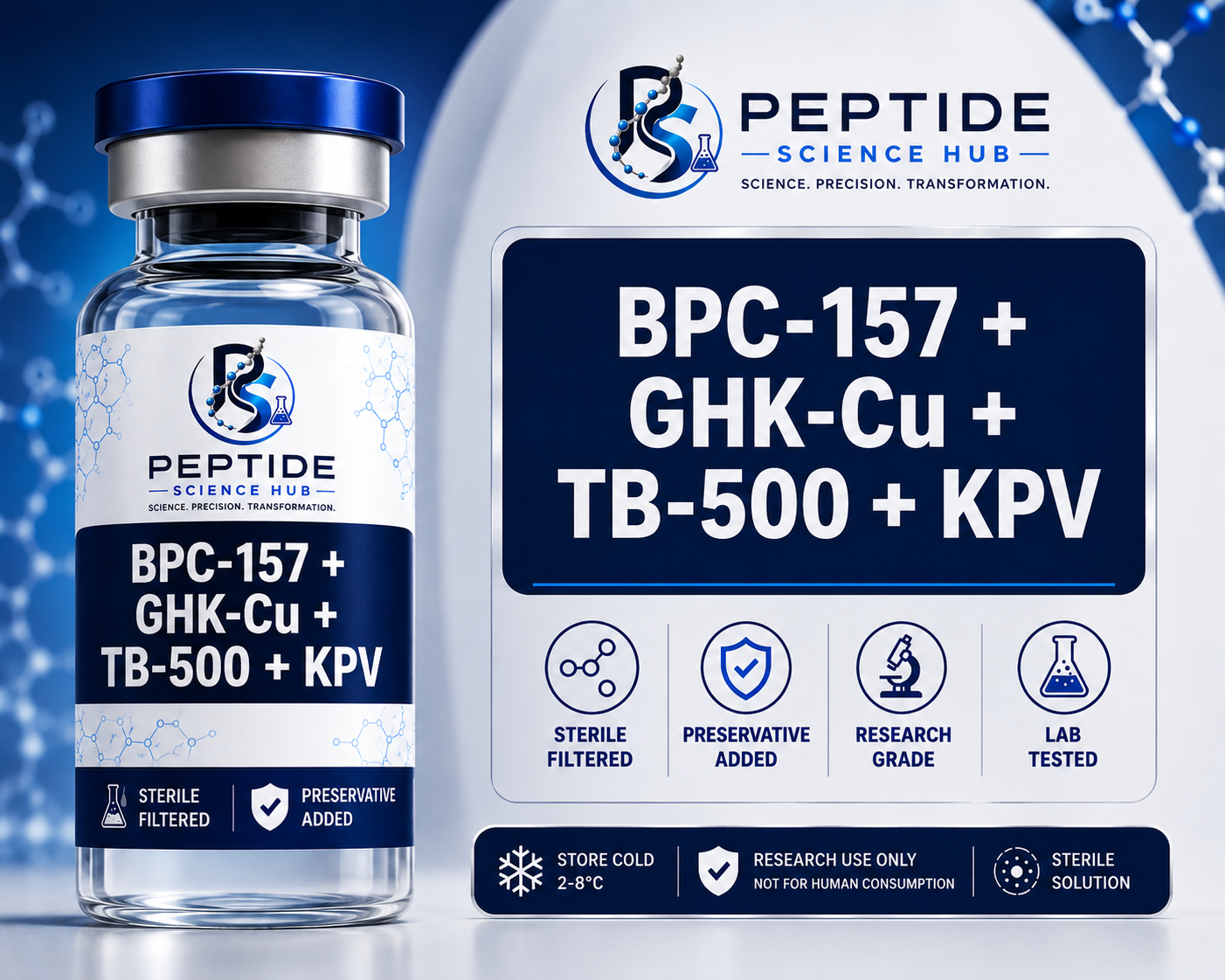
Researchers increasingly study the KLOW peptide stack. This blend contains BPC-157, GHK-Cu, TB-500, and KPV. Each peptide offers a unique mechanism. Together, they may support comprehensive tissue repair. However, clinical data remains limited.
Individual Peptide Roles
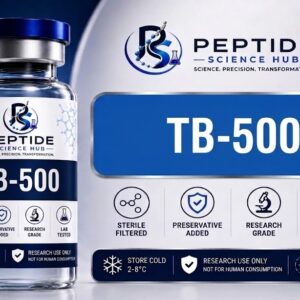
BPC-157 originates from a stomach protein. It promotes angiogenesis and protects gut lining. Meanwhile, TB-500 mimics Thymosin Beta-4. It encourages cell migration to injury sites. Furthermore, GHK-Cu binds copper ions. It stimulates collagen and elastin production. Consequently, it supports skin matrix remodeling. Finally, KPV acts as a potent anti-inflammatory agent. It helps modulate chronic immune responses.
Synergistic Potential
The stack works through synergy. For example, BPC-157 and TB-500 together enhance wound closure. Moreover, GHK-Cu improves extracellular matrix quality. In addition, KPV reduces oxidative stress. Therefore, this combination may outperform single-peptide protocols. Nevertheless, researchers must validate these effects in controlled studies.
Research Applications
Scientists use this stack in various models. These include tendon injuries, gut disorders, and skin wounds. For instance, animal studies show accelerated healing. Additionally, in vitro experiments demonstrate increased fibroblast activity. However, human trials are scarce. Consequently, the stack remains strictly for laboratory use.
Safety and Regulatory Status
The FDA has not approved these peptides for humans. Moreover, unregulated suppliers pose contamination risks. Therefore, researchers should source from verified vendors. Internal quality controls are essential. For more on peptide safety, review our Peptide Handling Guidelines. Externally, consult the FDA’s advisory on unapproved peptides and PubMed’s peptide research database for peer-reviewed literature.
Conclusion
The KLOW stack shows promise in regenerative research. Nevertheless, scientists must interpret findings cautiously. Short-term studies suggest benefits. Long-term effects remain unknown. Meanwhile, regulatory bodies continue monitoring. Ultimately, rigorous science will determine its future.
| BPC-157 + GHK-Cu + TB-500 + KPV | 50mg, 70mg |
|---|
Be the first to review “BPC-157 + GHK-Cu + TB-500 + KPV”
Related products
Peptides Collection
Peptides Collection
Peptides Collection
Peptides Collection
Uncategorized
Peptides Collection
Peptides Collection
Peptides Collection
Reviews
There are no reviews yet.